2022-2025




Depth of the Wound | Amir Nasri
[One]
Veronica is a magical image.
[Two]
The magic is lodged in a “substitute body.” The substitute body need not be a likeness or a simulacrum of anything in particular. It stands for an absence which it summons to presence. The Veronica painting in the Christian West is the substitute body of Jesus. It has divine legitimacy. In religious lore the Veil of Veronica is attributed to a female saint who met Jesus on his way to Calvary and offered her veil to clean his bruises with. There is no mention of the woman’s name in canonical Gospels, but later, apocryphal, texts do mention Veronica, or Saint Veronica. Some have suggested that Veronica was in fact vera icon (“true image”), alluding to Jesus. It is as if Veronica is both a person and an image.
The Veil of Veronica was an acheiropoieton – an object made not by a human nand. The image of the face of Jesus is transferred to the veil when his face comes into contact with it, much like the image of a butterfly or a flower pressed etween pages of a book and in whose appearance no human has had a hand. s such, the Veil of Veronica was not a painting but an image of the face of esus himself – a “true image.”
e dream of a true image has always been with humans, especially in marking cred events. A true image is never arrived at through normal human agency. ery attempt to occasion a true image is forced to look for it in other domains etaphysics, magic, divinity, etc.
(Three)
The story of an unmediated image like the Veil of Veronica is not limited to Christian accounts, although it is the narrative most in circulation. The first bainter who attemated to capture the face of the Buddha could see nothing Dut lợft and failed to come up with a representation. The rest of the story isanalogous to the Christian: The Buddha asks for a piece of cloth and his face transferred onto it. In this version, too, the painter doesn’t interfere with the act of creating the image.In such accounts of true image, there is a reduction of a human figure to his/ her visage, as if faciality is a human visual peculiarity and the body has a subordinate role in representing an individual. What’s the reason for this prioritization of the face? Is it its uniqueness? Are there other reasons at work?
Whatever it may be, we cannot dismiss the relationship between similitude and faciality. The dream of the true image lies there.In true image, similitude doesn’t mean an exactness of the appearance, nor is this the case in the Veil of Veronica. In a true image, similitude is constituted by prototypical traces etched on the surface of the image. These traces are not arrived at through mimesis, they are transferred from one surface to another (that of the image) directly, without an intermediary. In other words, the face etched on the Veil of Veronica is not similar to the pattern formed; rather, its similarity to what it represents is indexical: components are projected from a totality to the surface of the image.
In the process of etching or projection, the face becomes a mask. The Veil of Veronica is a mask of the human face of Jesus that hides its divine nature.
[Four]
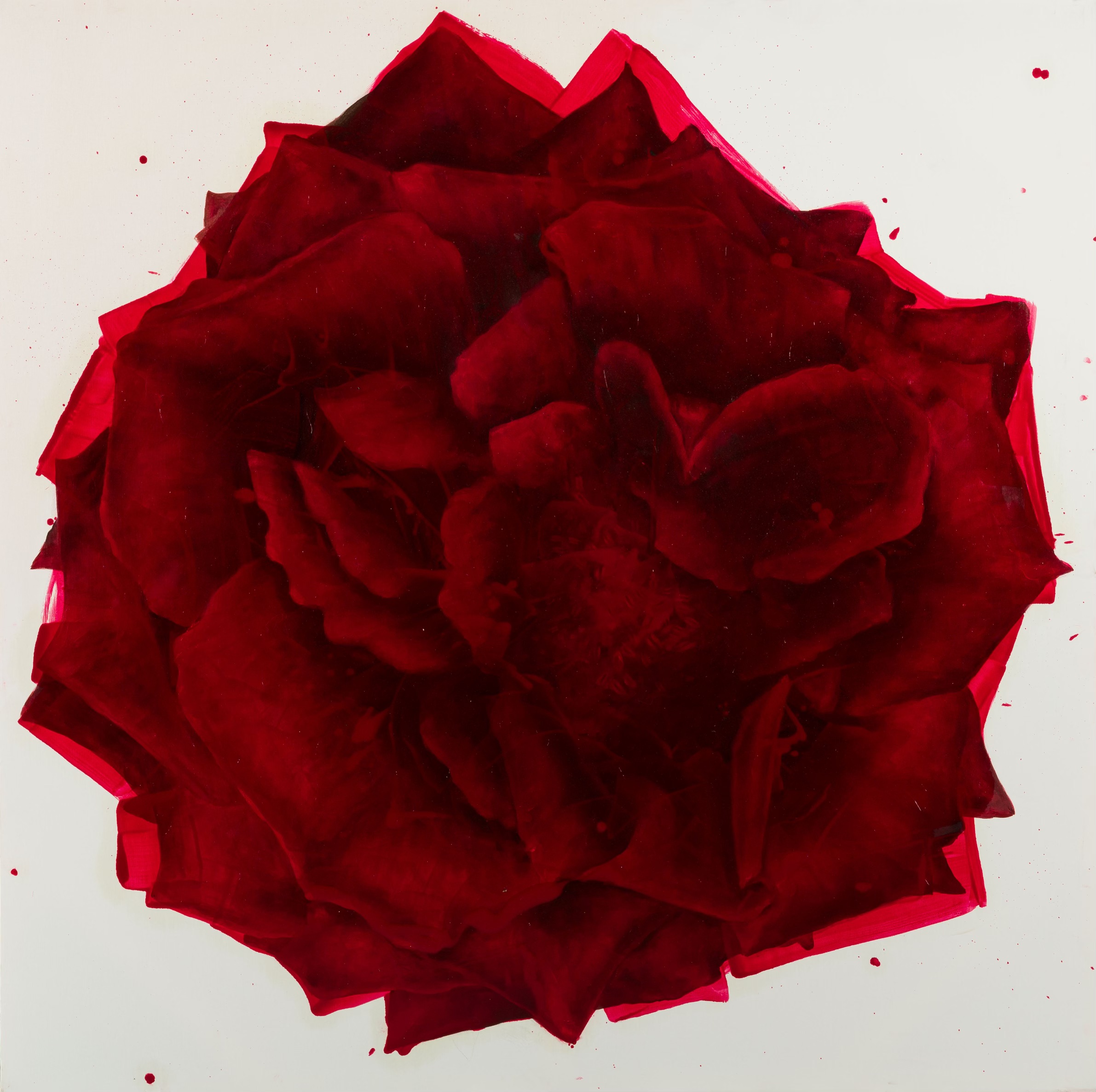
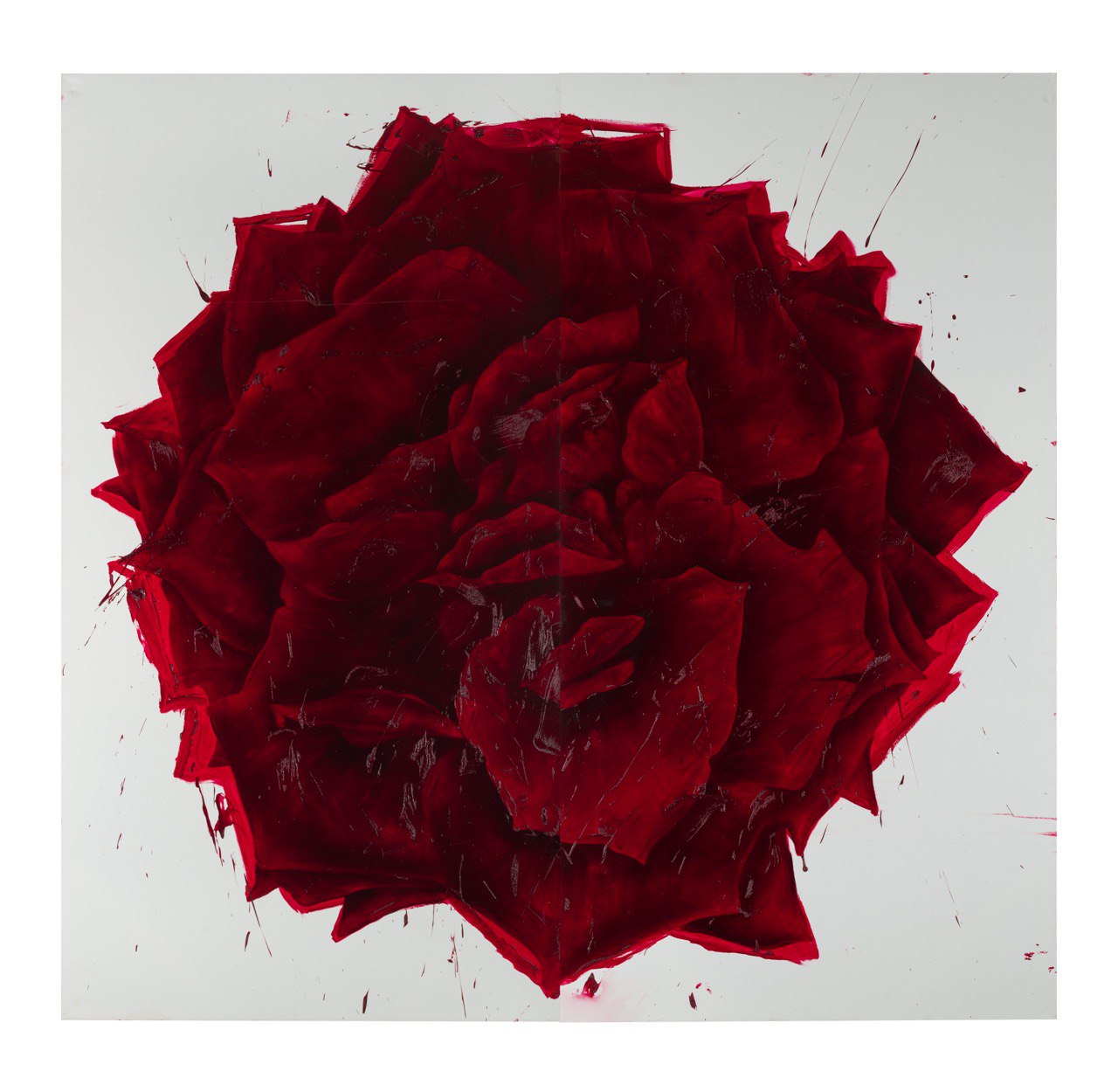
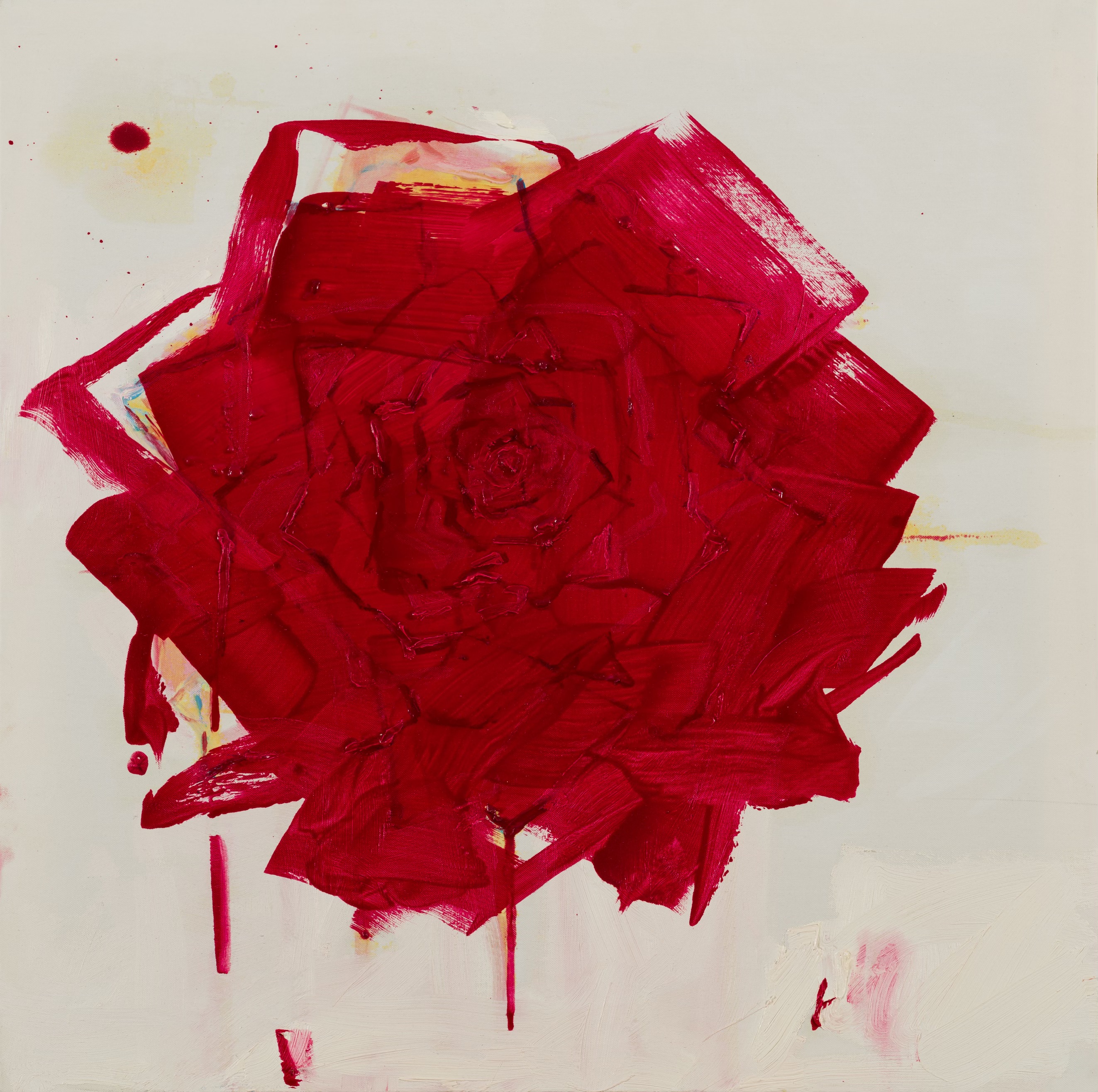
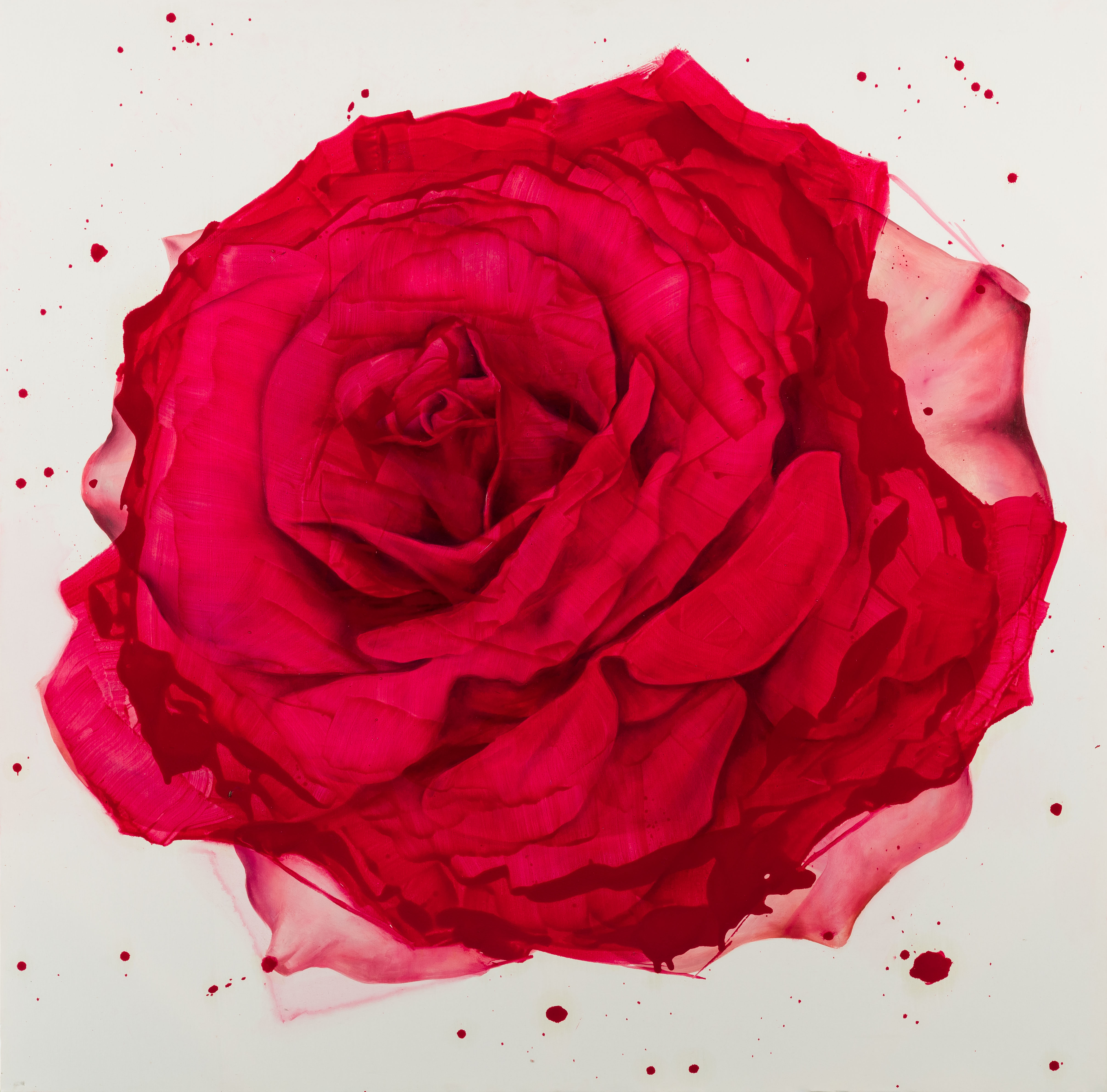
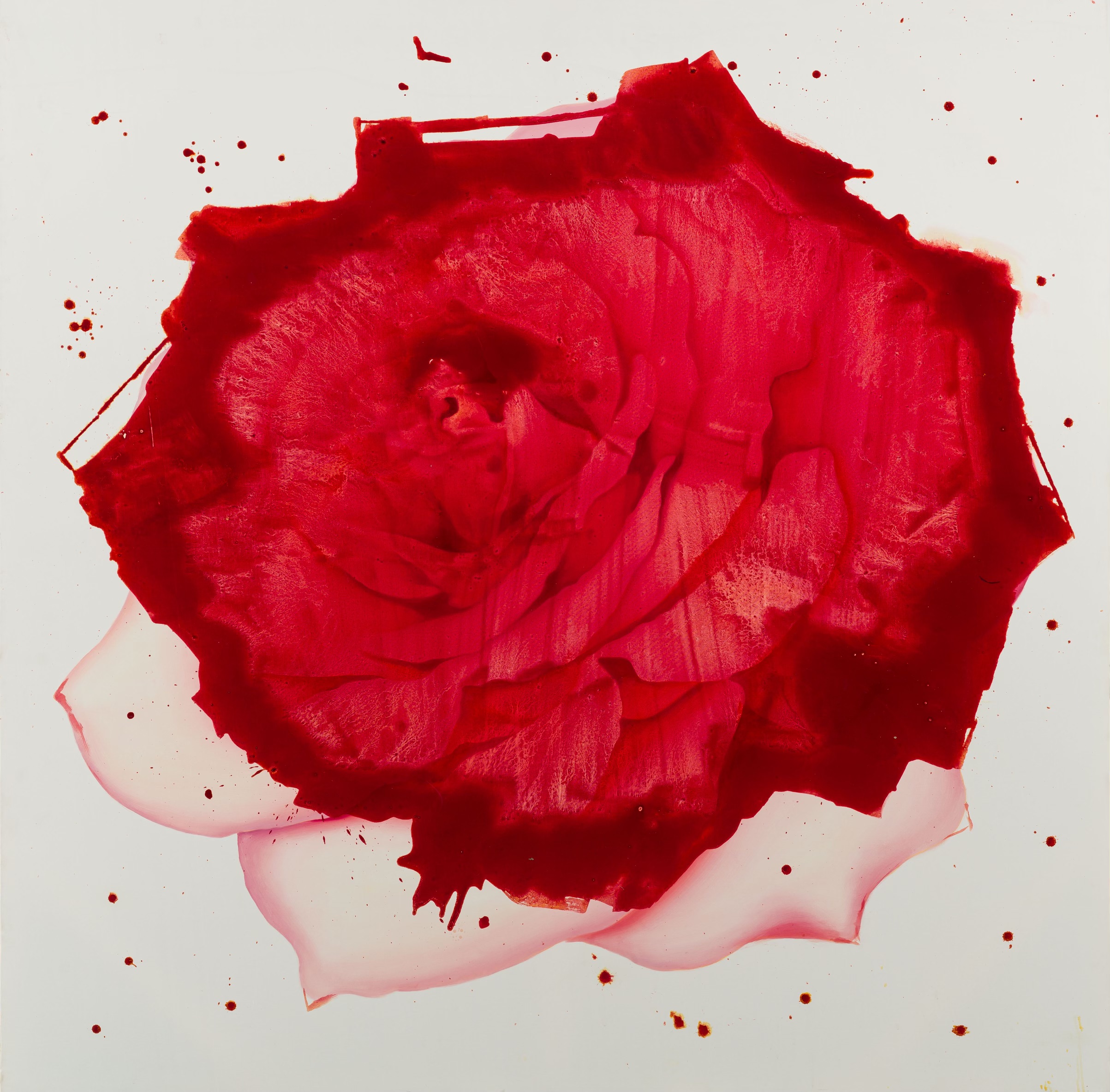
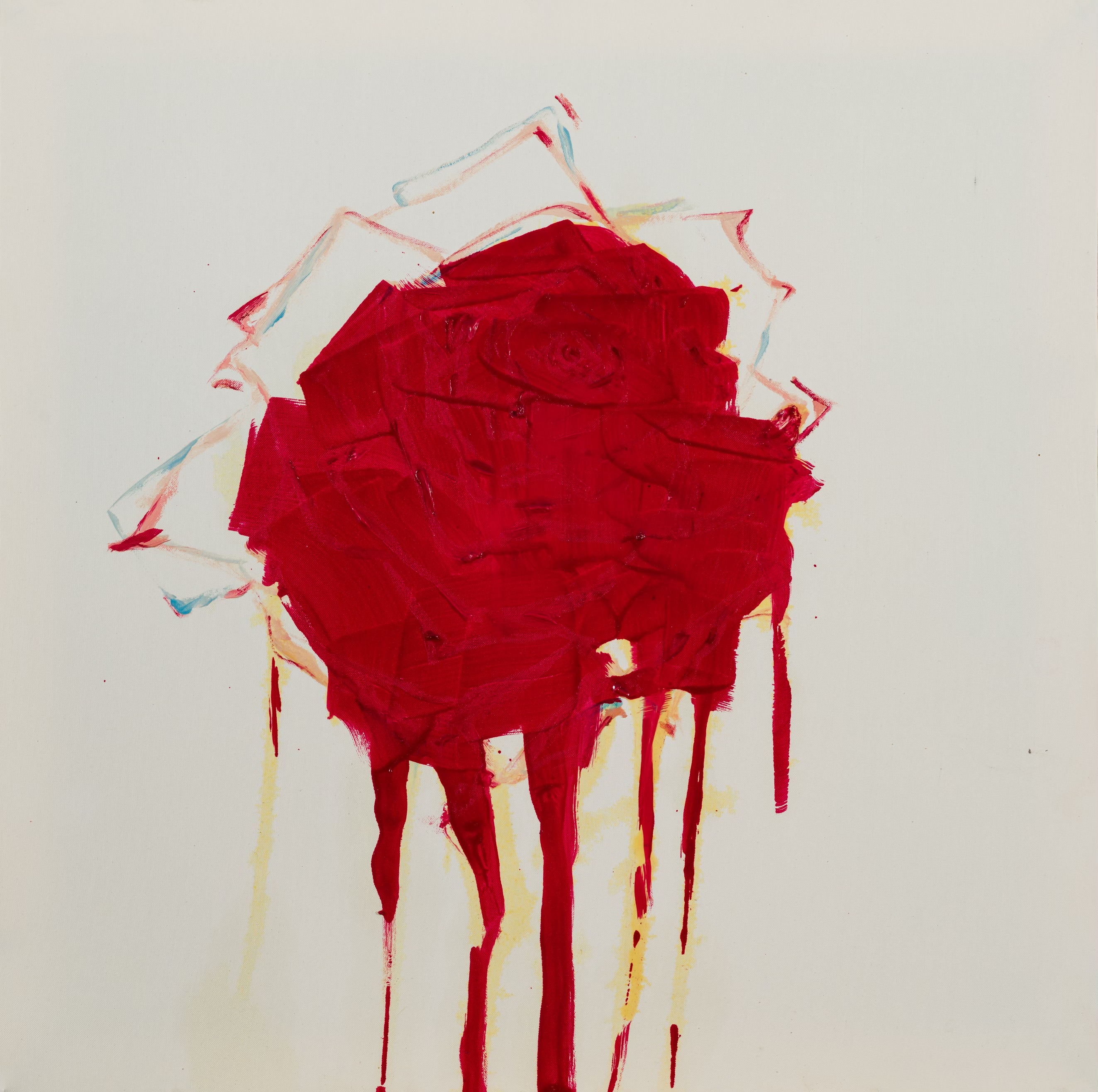
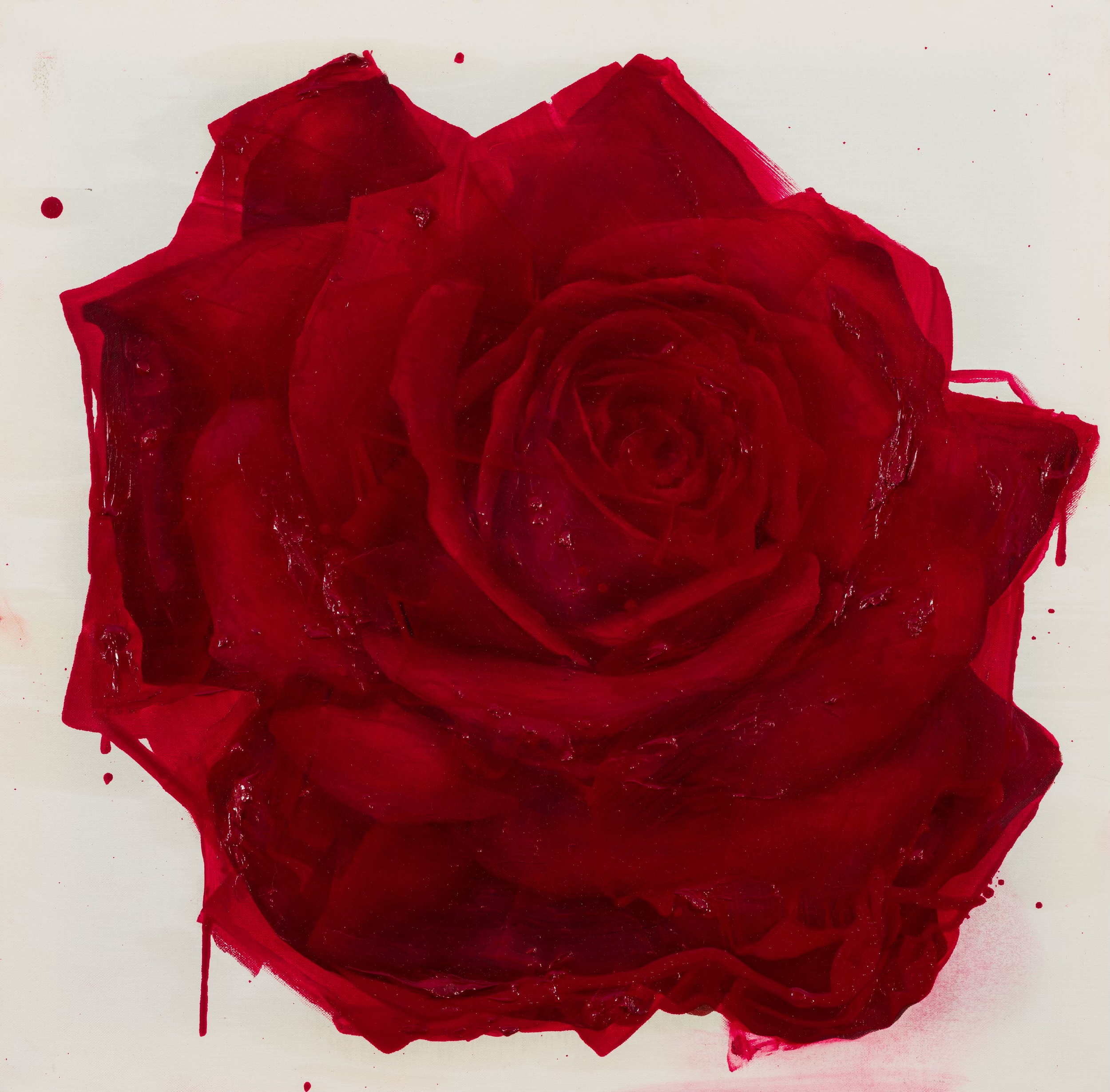
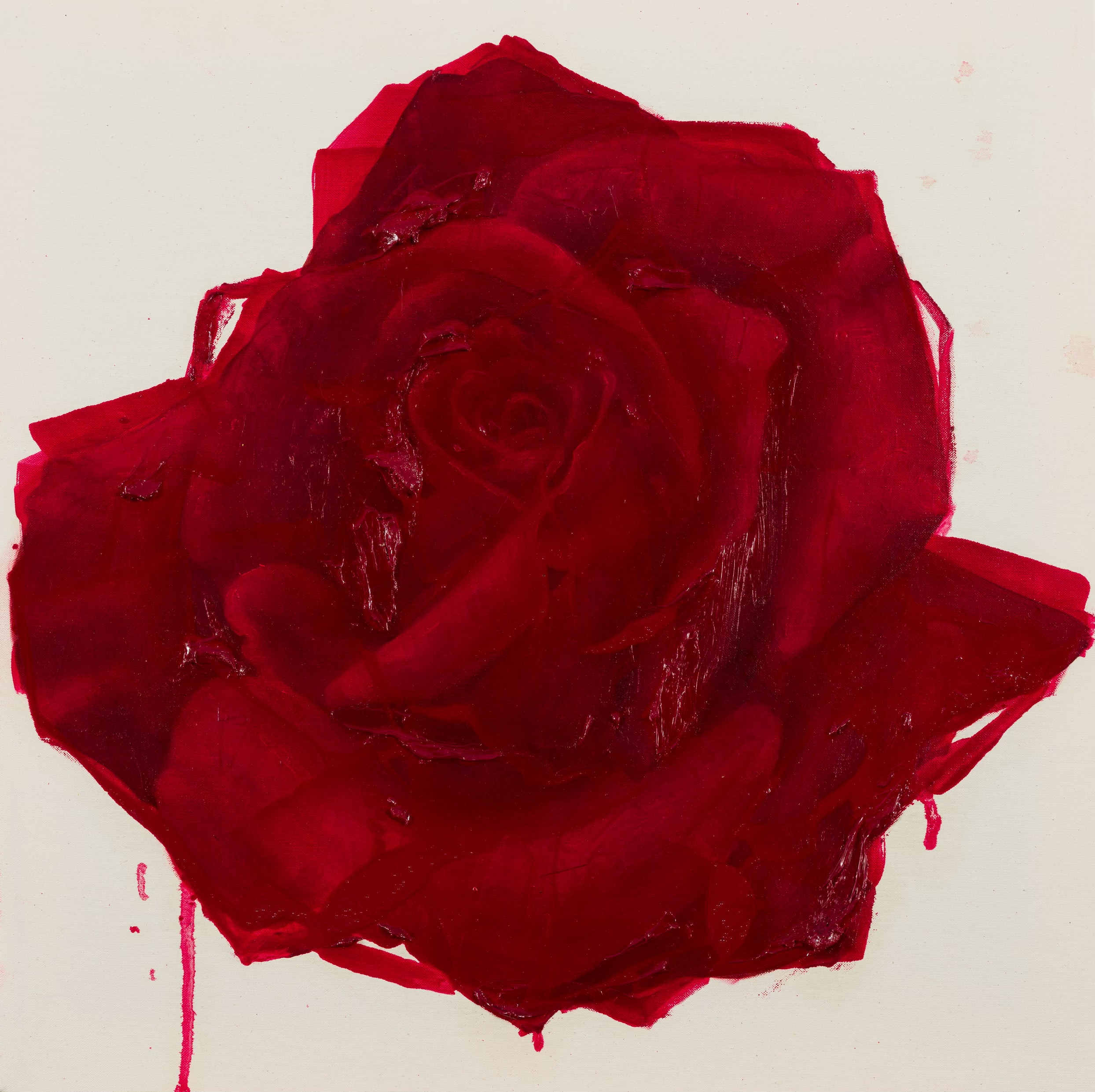
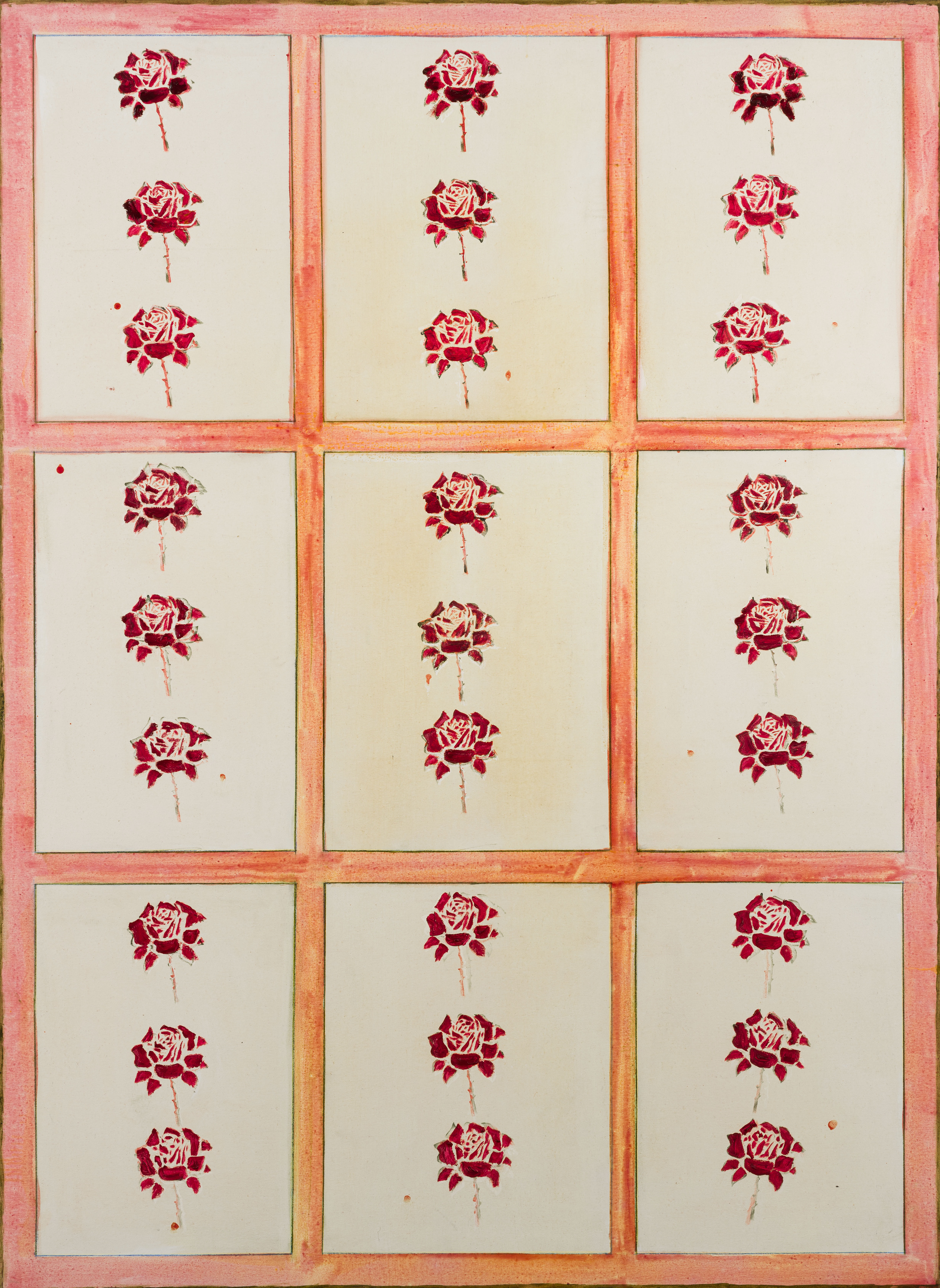
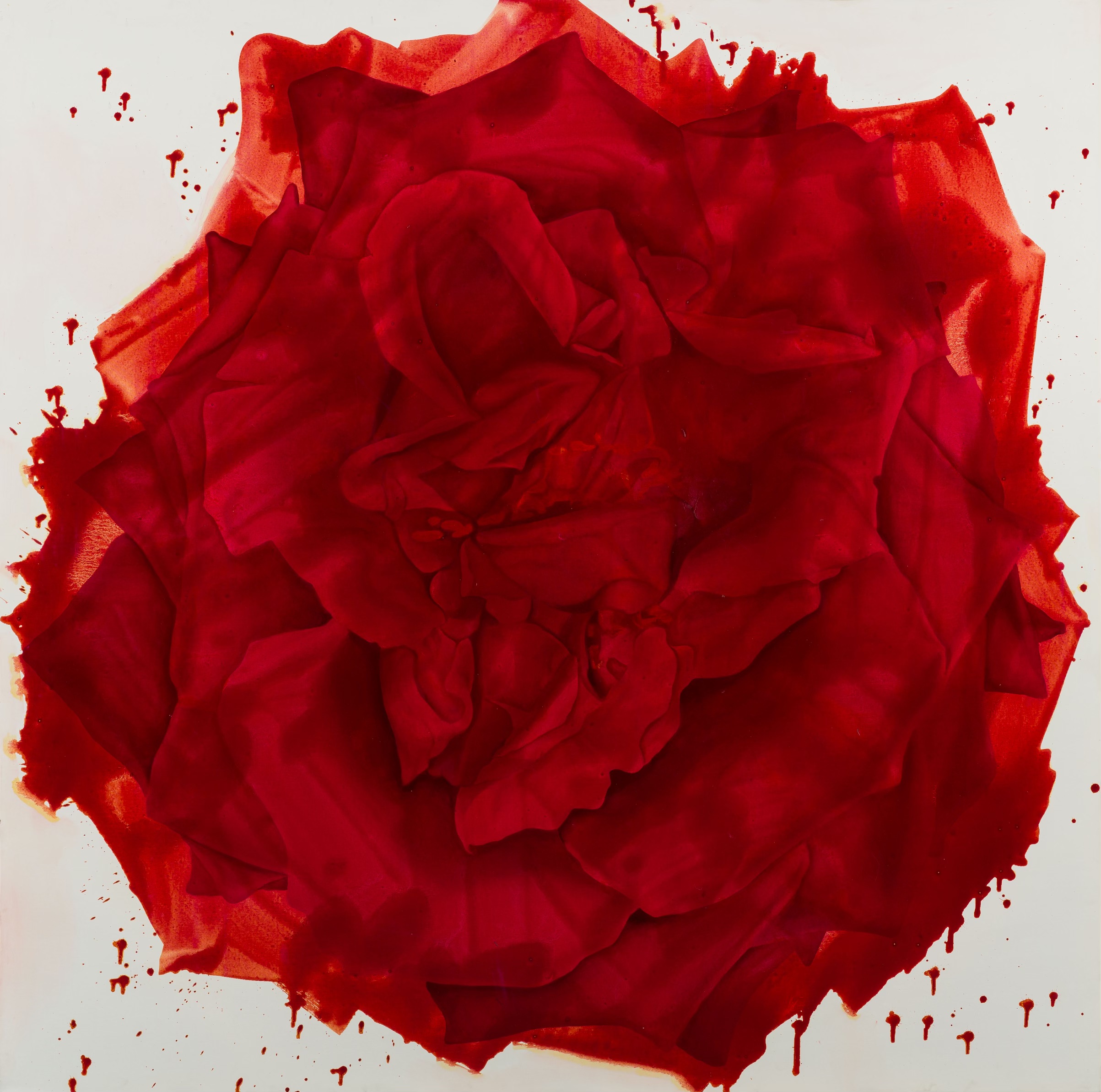
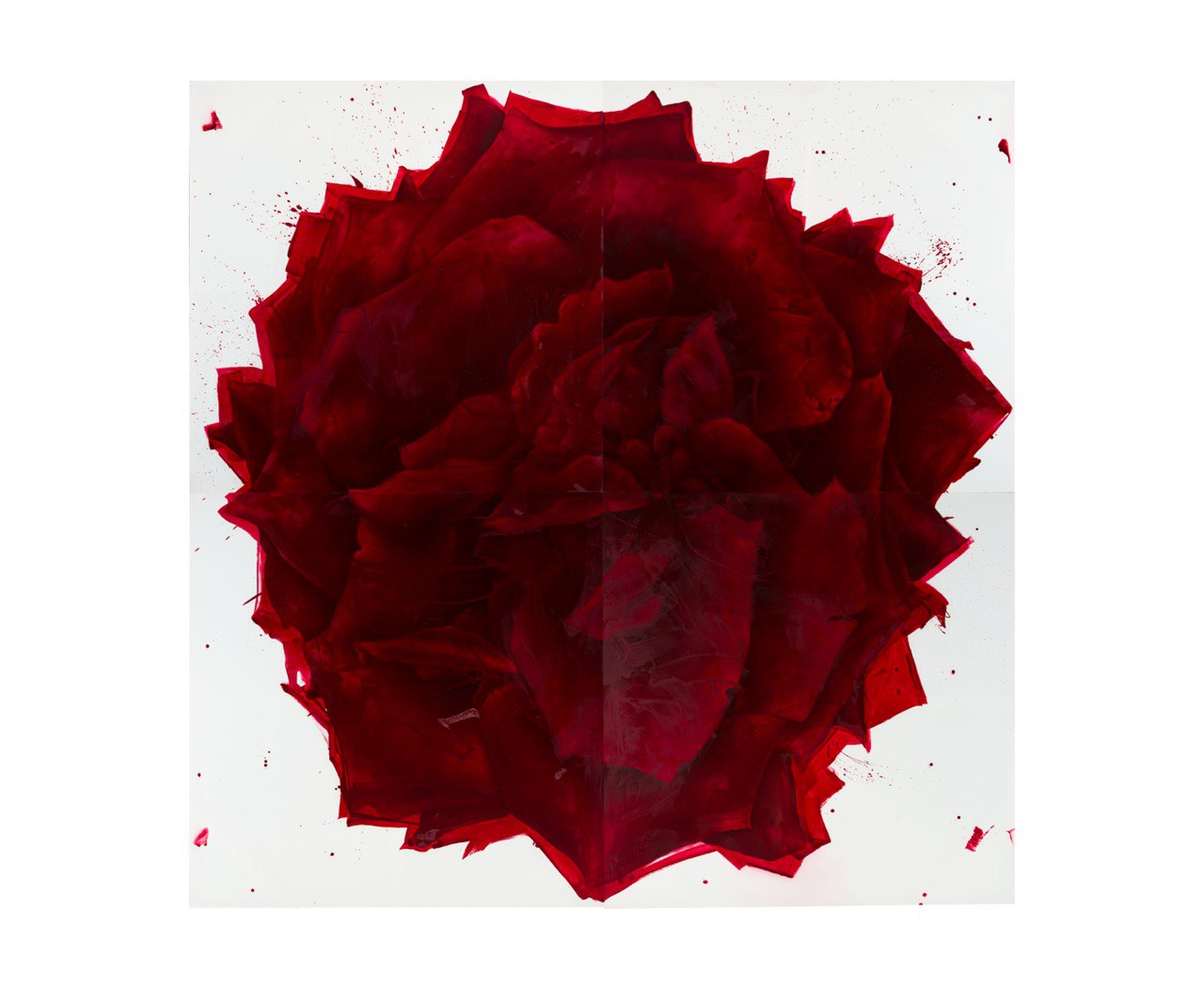
Veronica of Azadeh Razzaghdoust are depictions of a single subject: a red rose at first sight, the feminine body and its associated determinants beyond that. With every painting, this singular subject acquires a different appearance and incarnation. The appearance of this subject is not the main subject matter and to focus on appearance is to stop at similitude. In the Veil of Veronica, too, similitude of the face is not the intention – the face has turned into a mask. The red roses of this series can also be seen free from similitude. They are masks that cover flesh and blood, masks that reveal a reality behind an appearance and point to life situations.Traces of a face etched on a piece of cloth turn into canvases dripping with blood. They acquire the form of a flower or feminine body. Canvases are all Veronicas or attempts at representing a true image, an impossible one with paradoxical characteristics, for every image is formed by a pattern that at thesame time strives to be true and not a facsimile of the real thing, but it is nevertheless a facsimile.Veronicas of Azadeh Razzaghdoost make no claim to sacredness; these paintings are made by the artist herself. They are the outcome of an appropriation of contemporary painting practices and image-making in the Christian tradition.
“The Divine” in the Veil of Veronica has acquired a social meaning here. Each one of these paintings is the face of a woman drawn by blood. Blood in these images goes beyond a female biological characteristic to become a true image.
In the same way that the Veil of Veronica was the outcome of a contact with another surface, these paintings come about by contacting blood, both on a real and metaphorical level.
[Five]
In «The Aesthetic Significance of the Face» Georg Simmel argues that the face uncovers the soul and cannot be reduced to a body part. From this point of view, any other body part that can cover or uncover the soul is also a faciality.In this series, the coexistence of blood-drenched canvases uncovers a collec face. Each is a portrait that can belong to any person (persona), because painter has eliminated the apparent similarity of faces and replaced them blood-drenched canvases. Seeing them reminds me of this line of poetry Bizhan Elahi:
“The bucket that came up from the depth of the wound was our civilization”
از ته زخم | امیر نصری
[یک]
ورونیکا یک تصویر جادویی است.
[دو]
تصویر در جادو یک «بدن جایگزین» است. بدن جایگزین میتواند شبیه یا تقلید چیزی نباشد. بدن جایگزین تنها نمایندهی یک امر غایب است و آن را حاضر میسازد. پردهی ورونیکا در غرب مسیحی بدن جایگزین مسیح است و مشروعیتی الاهیاتی دارد. در روایات مذهبی آمده است که پردهی ورونیکا برساختهی زنی است که تکه پارچهای را در راه جلجتا به مسیح بخشید تا زخمهایش را پاک کند. انجیلنگاران از آن زن که به قدیسه ورونیکا مشهور است، نامی نبردهاند. ورونیکا به معنای vera icon یا تصویر حقیقی است. به رغم سکوت اناجیل، حکایت قدیسه ورونیکا و پردهی ورونیکا بارها و بارها در متون بعدی نقل شده است. انگار که ورونیکا هم یک فرد است و هم یک تصویر.
پردهی ورونیکا با دستان انسان ساخته نشده است، حاصل لمس یک تکه پارچه و چهرهی عیسی مسیح است. این پرده حک شدن ردهایی است از چهره بر سطحی دیگر. همانند پروانهها یا گلهای خشکشده که بدل به تصویر شدهاند، بیآنکه دستان انسان دخالتی در شکل بخشیدن به آنها داشته باشد. نخستین پردهی ورونیکا یک نقاشی نبود بلکه تصویر برساختی خود مسیح بود یا به تعبیری دیگر تصویر حقیقی.
فانتزی تصویر حقیقی هیچگاه دست از سر بشر برنداشته است، به ویژه در بازنمایی امر قدسی. تصویر حقیقی با تواناییهای معمول انسان هیچگاه به دست نمیآید. هر تلاشی برای جستوجوی تصویر حقیقی ناگزیر است به توسل جستن به قلمروهایی دیگر. به ماوراء الطبیعه، به جادو، به الاهیات و…
[سه]
ماجرای پردهی ورونیکا را صرفاً نباید به روایت مسیحی آن تقلیل داد، هرچند که روایتی است غالب. این ماجرا درباب تصویر بودا هم نقل شده است که نخستین شبیه نگار بودا جز نور در چهرهی او ندید و ناتوان از بازنمایی. باقی ماجرا نیز مشابه روایت مسیحی است که بودا پارچهای مطالبه میکند و چهرهی خود را بر سطحی دیگر فرامیافکند. در این روایت نیز دستان نقاش دخل و تصرفی در چهرهنگاری فرد مقدس ندارند. این تصویر نیز جادویی است و نه برآمده از کنش نقاشانه.
در روایتهای مسیحی و بودایی از تصویر حقیقی، با تقلیل انسان به چهرهی وی مواجهایم، گوییکه چهرهمندی ویژگی اصلی تصویر انسان است و بدن نقشی فرعی در بازنمایی انسان دارد. دلیل تقدم چهره بر بدن چیست؟ شباهت و منحصربه فرد بودن چهره است یا پای دلیل دیگری در میان است؟ هر مسئلهی دیگری که در میان باشد، نمیتوان رابطهی شباهت و چهره را نادیده گرفت. فانتزی تصویر حقیقی بر این مبنا شکل گرفته است.
شباهت در تصویر حقیقی به معنای شباهت ظاهری نیست، همچنانکه در پردهی ورونیکا نیز چنین نیست. شباهت در تصویر حقیقی همان ردهایی از الگوی اولیه است که بر سطح تصویر حک شده است. این ردها تقلیدی نیستند، آنها از سطحی دیگر به سطح تصویر سرایت کردهاند. مستقیماً و بدون وساطت و دخالت. به تعبیری چهرهی حک شده بر پردهی ورونیکا، شباهتی ظاهری با الگوی خود ندارد و شباهتش با الگوی اولیهاش وجهی نمایهای دارد: یعنی اجزایی از یک کل بر سطح تصویر فراافکنده شده است.
چهره در فرایند حک شدن ردها یا فرافکنی به یک ماسک بدل میشود. پردهی ورونیکا ماسکی است از چهرهی انسانی عیسی مسیح که ماهیت الوهی آن را پنهان میسازد.
[چهار]
پردههای ورونیکای آزاده رزاقدوست تکرار ابژهای واحدند : گل سرخ در نگاه اول و اندامی زنانه در نگاه بعدی و چیزهای دیگر. این ابژهی تکرار شونده در هر نقاشی هیئتی متفاوت یافته و دچار دگردیسی شده است. ظاهر این ابژه موضوع اصلی نیست و تمرکز بر آن توقف بر شباهتی است ظاهری. همانگونه که در پردهی ورونیکا شباهت ظاهری چهره مدنظر نیست و چهره به ماسک بدل شده است، گلهای سرخ این مجموعه را نیز میتوان رها از شباهت ظاهری خواند. آنها ماسکهایی هستند برای گوشت و خون. ماسکهایی که واقعیت در پس ظاهر چهره را آشکار میکنند و زنده بودن را نشان میدهند.
ردهایی از چهره که بر پردهای یا تکه پارچهای حک شدهاند، به پردههایی خونین بدل میشوند که شکلی شبیه یک گل یا اندامی زنانه را میسازند. همهی آنها ورونیکا یا تلاش برای بازنمایی تصویر حقیقی است. تصویری ناممکن و با خصلتی پارادوکسگونه. چرا که هر تصویری براساس الگویی پدید میآید و در عین حال میخواهد که حقیقی باشد و نه رونوشتی از آن. هر چند که پردهی ورونیکا دخالت نقاش را حذف کرد، اما همچنان رونوشتی بود از چهرهای مقدس.
پردههای آزاده چنین ادعایی ندارند و با دخالت مستقیم و لمس دستان نقاش جسم یافتهاند. آنها محصول از آنِ خودسازی نقاشی معاصر از سنت تصویری مسیحی یا دیگری فرهنگی هستند. معنای الاهیاتی ورونیکا در آنها به معنایی اجتماعی بدل شده است. هر یک از این تابلوها برای من چهرهی زنی است که با خون ترسیم شده است. در این تصاویر خون از معنایی بیولوژیک در چرخهی زیستی زنان به تصویر حقیقی زنان بدل شده است. همانگونه که پردهی ورونیکا برآمده از لمس کردن سطحی دیگر است، این تابلوها نیز کنار هم قرار دادن سطوحی است که خون را لمس کردهاند. هم به معنایی حقیقی و هم به معنایی استعاری که «تاریخ ماست».
[پنج]
گئورگ زیمل در جستار «معنای استتیکی چهره» بر این باور است که چهره در مقام کشف حجاب از روح است و نمیتوان چهره را به یک اندام تقلیل داد. از این منظر هریک از دیگر اندامهای انسان که دارای کارکرد به حجاب درآوردن روح و کشف حجاب از آن باشند، میتوانند در جایگاه چهره قرار گیرند.
در این مجموعه همنشینی پردههای خونین کشف حجاب از چهرهای است جمعی. هر کدام پرترهای است که میتواند به هرکس تعلق داشته باشد (ماسک)، چراکه نقاش شباهتهای ظاهری چهره را حذف کرده است و پردههای خونین را جایگزین آن ساخته است. دیدن آنها برایم یادآور شعری بود از بیژن الهی:
«دلوی که ازته زخم بالا می آمد، تمدن ما بود.»